Fish species
Pike fishing
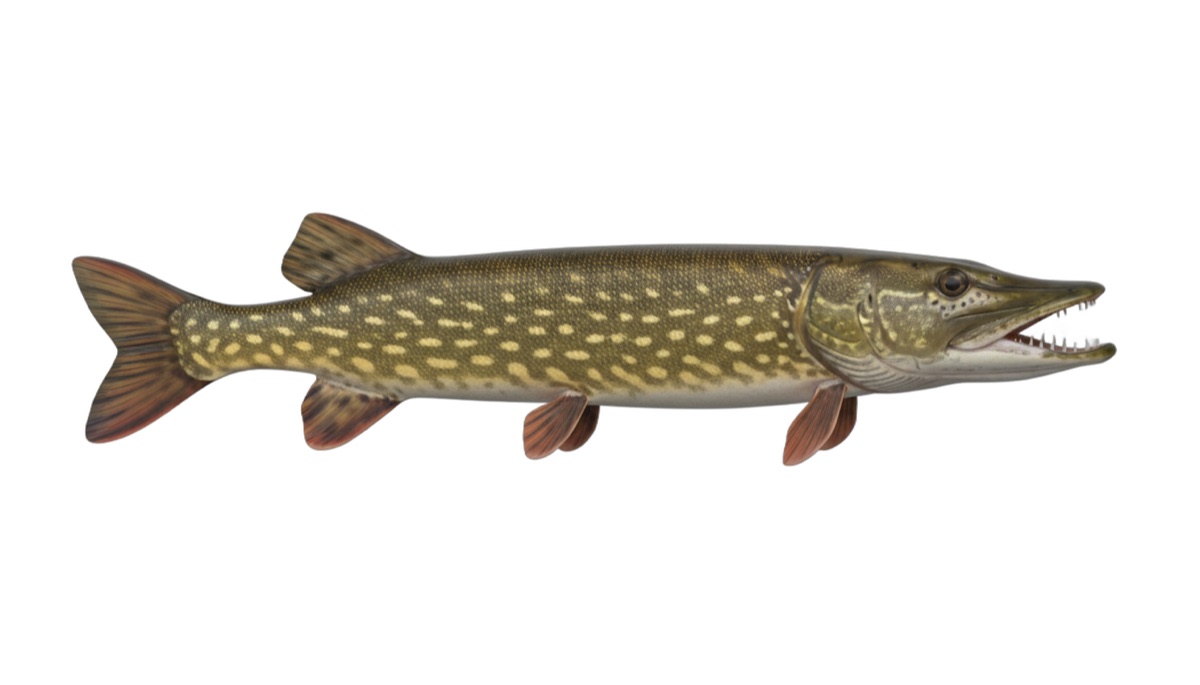
The northern pike (Esox lucius) is Europe's most popular predator — aggressive, widespread and catchable on almost any water. Here are the key tips for pike fishing, from choosing lures to timing the best bite.
Pike at a glance
- Best season
- Autumn (Sep–Nov) and early spring
- Best baits
- Large soft plastics, jerkbaits, spinners, dead bait
- Method
- Lure fishing & static dead bait
- Best time of day
- Dawn, dusk and overcast, breezy days
- Essential
- Always a wire or heavy fluoro trace for the teeth
Locations: where pike hold
Pike are ambush predators that love cover. Classic hotspots are weed beds, lily pads, reed edges, sunken timber, jetties and sharp depth contours. In spring and autumn pike often sit shallow near the bank; in high summer and winter they drop onto deeper edges and follow baitfish shoals in open water.
Best lures and rigs
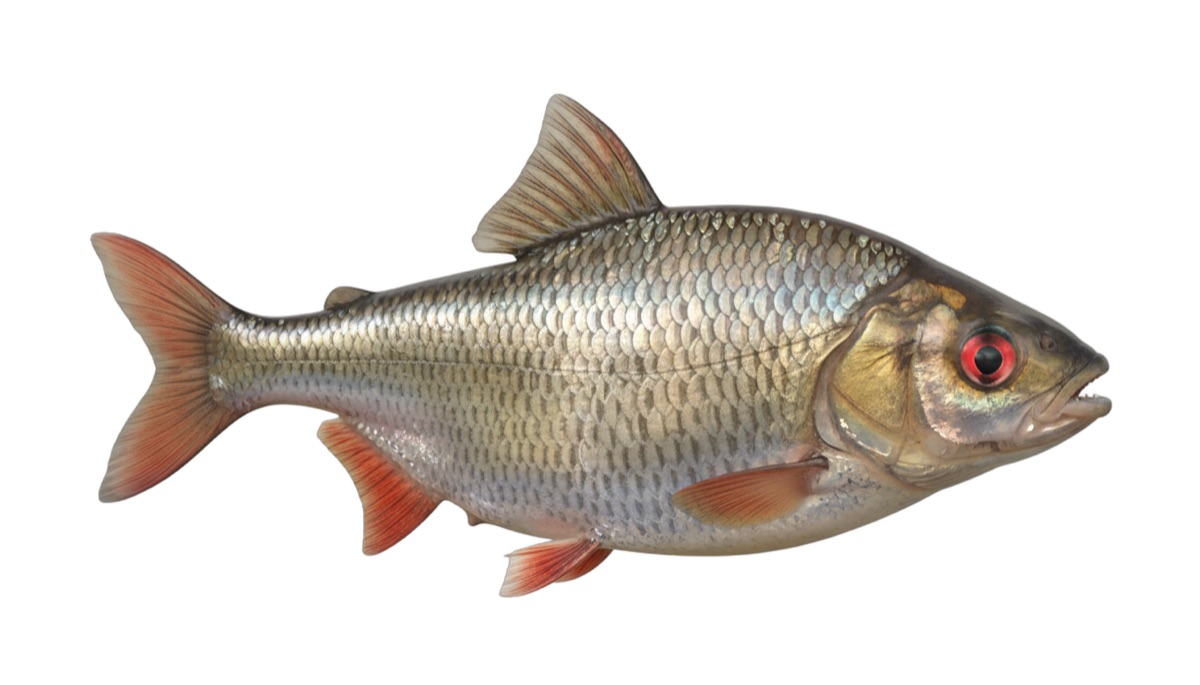
For lures, large soft plastics (12–20 cm) on a jig head, jerkbaits, spinnerbaits, spoons and big spinners all work. For natural bait, a dead bait (roach, herring, mackerel) on a float or ledger rig is reliable. A bite-proof trace of wire, titanium or 0.60–0.80 mm hard mono is mandatory — pike teeth will cut through normal line and injure the fish otherwise.
Lure fishing for pike
Work the lure with tension and build in pauses — most takes come on the drop or right after a stop. Vary your retrieve speed and depth systematically until you find the productive layer. A short, firm strike sets the hook in the bony jaw. Fan-cast unknown spots rather than only retrieving straight back.
Static dead bait
In cold water a dead bait often outfishes lures. Present it on a running-float or light ledger rig at the edge of weed or along contours. Give the pike a moment to turn after the take, then strike firmly. Bite alarms or a free-spool reel help you catch the right moment.
Season and best bite time
Autumn is prime time, when pike feed up for winter. Overcast, slightly breezy days beat bright sun; dawn and dusk often produce the biggest fish. Always respect the local closed season in spring during spawning — it varies by country and water.
5 quick pike tips
- Never fish without a bite-proof trace — it protects both lure and fish.
- Big bait, big pike: in autumn don't be afraid to offer 15–20 cm.
- Handle with a glove and unhooking tools; keep the fish wet and treat it gently.
- Switch lure colour: natural in clear water, bright in coloured water.
- Log every catch with bait, weather and spot to spot your own pattern.
Pike fishing FAQ
What is the best bait for pike?
In autumn, large soft plastics and jerkbaits; in cold water, dead bait. Use natural colours in clear water and bold contrasts when it's coloured.
When do pike bite best?
Autumn and early spring, ideally at dawn or dusk and on overcast, breezy days. In high summer, fish early and late.
Do I need a wire trace?
Yes. A pike's sharp teeth cut straight through normal line. Use wire, titanium or thick hard mono (0.60–0.80 mm).
How do I remember good pike spots?
Record the spot, lure, time and weather. In the Easy Fishing app you pin catches on the map and, over time, see your best places and bite windows.