Fish species
Zander fishing
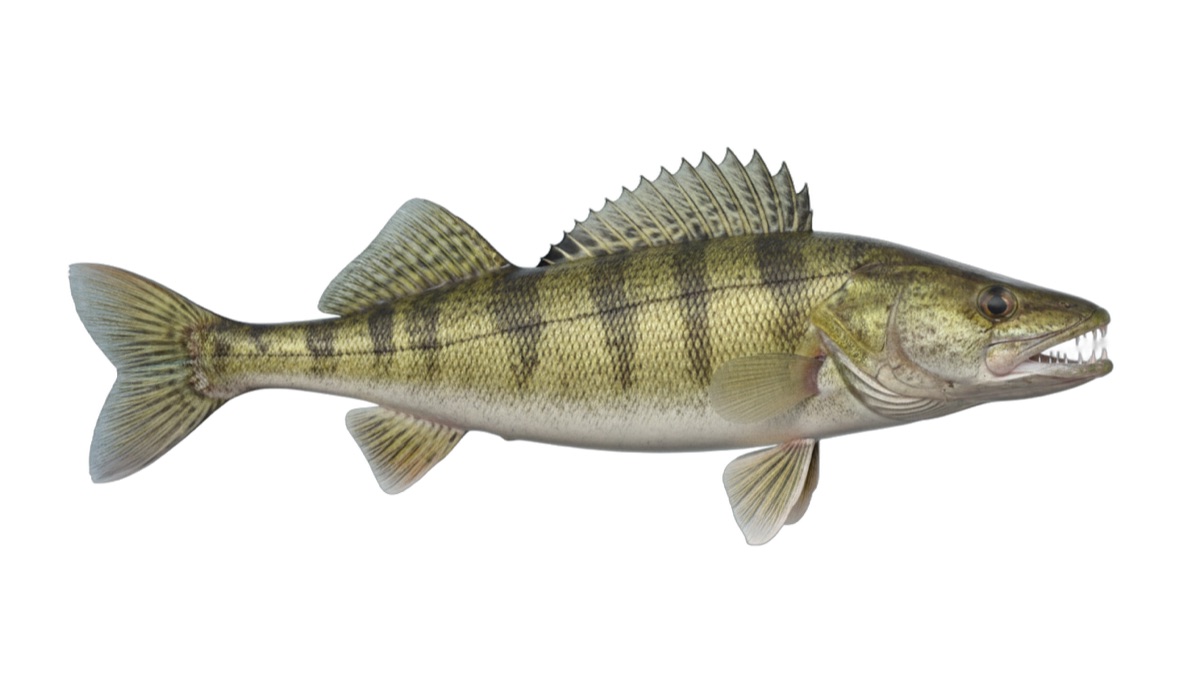
The zander (Sander lucioperca), or pike-perch, is a cautious predator and one of the most sought-after target fish in rivers and lakes. Here are the key tips for zander fishing — from soft plastics to dead bait.
Zander at a glance
- Best season
- Autumn to winter, also early spring
- Best baits
- Soft plastics on a jig, dead bait, crankbaits
- Method
- Jigging, vertical jigging, static dead bait
- Best time of day
- Dusk and night, often in coloured water
- Key
- Fine contact — bites are often very subtle
Locations: where zander hold
Zander prefer coloured water, drop-offs, harbours, groyne fields, river basins and deeper zones in lakes. By day they often sit deep on structure and in holes; at dusk they move onto plateaus and shallower areas to hunt. Hard bottom, mussel beds and current edges are classic hotspots.
Lures and rigs
A soft plastic on a jig head is the standard method — slim, natural and in subtle colours for clear water, bolder when it's coloured. Dead bait on a ledger rig is reliable too, especially in winter. Use robust but sensitive tackle and a fluorocarbon leader; a stinger hook turns cautious bites into landed fish.
Jigging and vertical fishing
When jigging, work the soft plastic in short hops over the bottom — most bites come on the drop and often feel like just a 'tick' or a sudden lightness. From a boat, vertical jigging over deep edges and holes is extremely effective because you hold the bait slowly and precisely in the strike zone.
Static dead bait
Especially in the cold season, dead bait excels. Present it on a fine ledger rig at the edge of contours and holes, often with a bite indicator. Give the zander a moment after the take before striking firmly, so the hook sets in the hard mouth.
Season and best bite time
The best period is autumn into winter, plus early spring. Zander bite best at dusk and at night, and in slightly coloured water after rain or wind. Respect the local closed season during spawning in spring.
5 quick zander tips
- Fish at dusk and night — that's when zander hunt most actively.
- Keep fine contact with the line: zander bites are often just a light 'tick'.
- Slim soft plastics in natural colours for clear water, bolder when coloured.
- Rig a stinger hook to convert short, cautious bites.
- Mark the edges and holes where you catch for your next session.
Zander fishing FAQ
What is the best bait for zander?
A slim soft plastic on a jig is number one; in winter add dead bait. Subtle colours in clear water, bolder when it's coloured.
When do zander bite best?
At dusk and night, mostly from autumn to winter and in slightly coloured water.
Why do I miss so many zander bites?
Zander often take very gently. Keep constant line contact, fish a stinger hook and strike at any unusual 'tick'.
How do I relocate good zander spots?
Note the edges, holes, lure and time. In the Easy Fishing app you save every catch on the map and learn your best zander spots and bite windows.